
Fear Itself Shattered Veil Edition Review
We Have Nothing to Fear Except Fear Itself

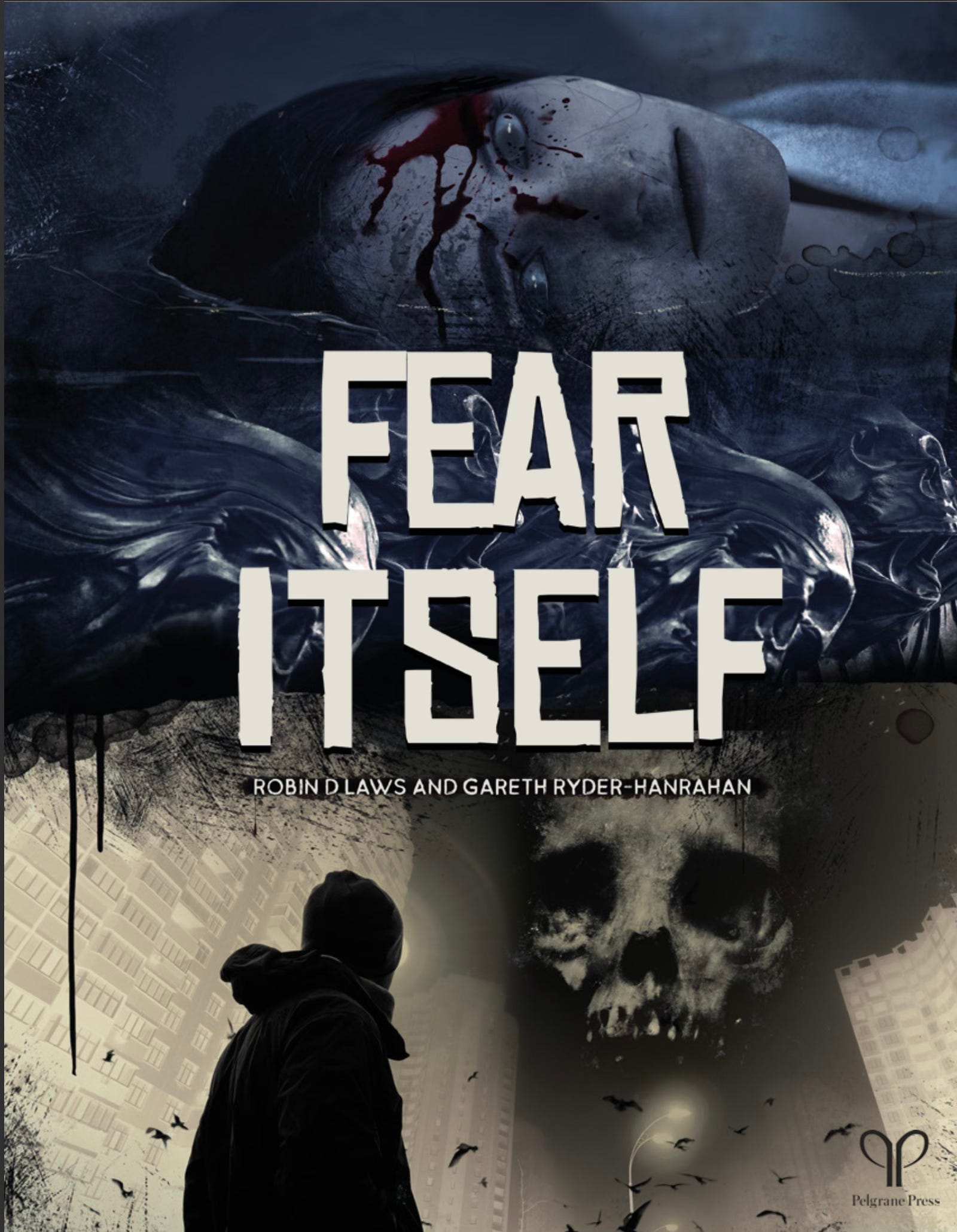
If you take the famous saying above literally then you’d be dead wrong about Fear Itself Shattered Veil Edition as it contains very real and unimaginable horror. This game will shock, scare and kill your PCs with impunity.
Fear Itself has been around for a while now with the first edition released back in 2007, powered by the pioneering GUMSHOE system where investigation and careful deduction took precedence over combat and action. That’s not to say this system can’t deliver those qualities, just that the the focus is on the creeping dread of horror as the unwitting the PCs peel back the layers like some obscene onion. Needless to say it was a runaway success, not surprising really as it was written by the seminal Robin D. Laws, and led to a 2nd edition published in 2016, this time with Gareth Ryder-Hanrahan onboard who’d go on to pen such classics as the newest Traveller TTRPG. So the question is how does this newest edition compare and is it better? You betcha!
Fear Itself Shattered Veil Edition by Pelgrane Press, who kindly provided my review copy, will be released in August this year and there’s a free PDF preview available over on DTRPG: https://legacy.drivethrurpg.com/product/516351/Fear-Itself-Shattered-Veil-Edition-Preview?term=fear+itself
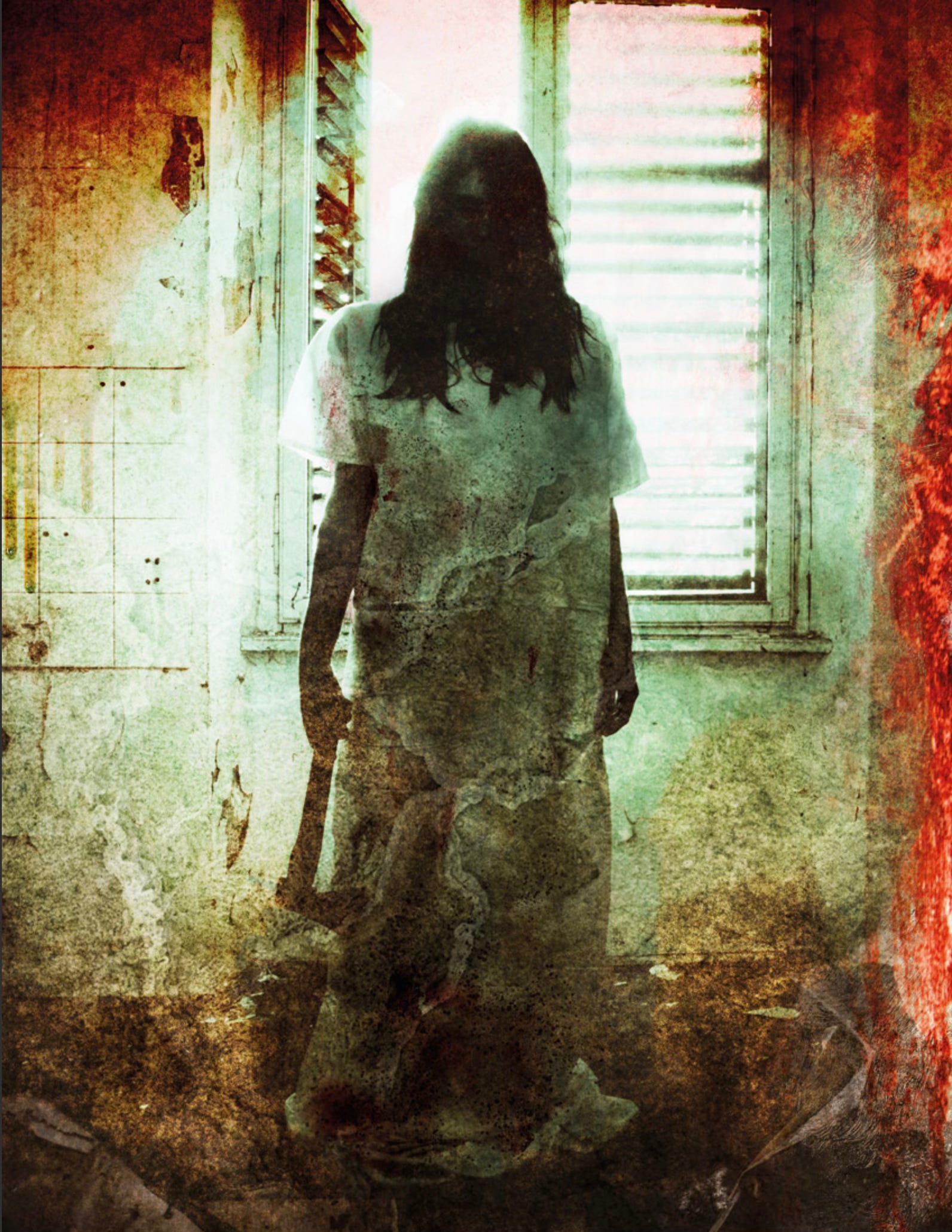
This is a 218-page full colour release packed with unremitting horror, all-new content, and eye-catching artwork written by Robin D. Laws and Gareth Ryder-Hanrahan. Everything is easy to read with a comprehensive contents section and index enabling quick reference at your gaming table or VTT. The book is broken down into 14 chapters and appendices with a character sheet and scenario worksheet.
Horror works best when ordinary lives are affected by the extraordinary events occurring around them and Fear Itself accomplishes this magnificently by taking the PCs, who could easily be you and me, and plunging them into a maelstrom of madness and violence. The game works perfectly for one-shots as well as longer campaigns, but rest assured insanity and death await in both…
The game adopts a contemporary setting with humanity threatened by a dimension of horror and suffering known as the Outer Dark itself tenuously separated from our world by a thin membrane through which monsters and psychic phenomena occasionally seep. However if you want to use your own setting then that’s fine too,
What really impressed me here was the advice to GMs on running one-shots and campaigns such as which chapters to read and what adventures to run. Useful, concise and a great time-saver. You want to run a one-shot? Then read chapters 4, 5, 6, 7, and 9 and run The Circle scenario. Simple!
So you’re playing an ordinary person, how do you interact with the world? Through the three key sections of Investigative Abilities, General Abilities, and Risk Factors. The GUMSHOE system revolves around gathering information and clues through your Investigative ability without having to roll dice, so if your PC is skilled in the task at hand you succeed pure and simple. If not then you can spend points from your ability pool to learn what you need to. This ensures you learn what they need to without a failed skill check leading to a dead end and yet more skill checks.
General Ability lets you use the information you gained from your Investigation Ability and put it to practical use. Roll a D6 with a 4+ a success and each point spent from your General Ability pool adding a +1 modifier. Two other General Abilities are Health and Stability which measure your physical and psychological well being. They serve as a constant reminder on how fragile the human mind and body can be when subjected to the terrors of the Outer Dark. Don’t stress too much though as you can be patched up with medicine and therapy.
Character creation involves a discussion between the GM and players to decide on a premise, are you all high-schoolers, cruise ship passengers or soldiers from the same unit? Once decided each player defines their PC through a concept, something quick and punchy such as condescending office manager, arrogant salesperson, or fast-talking dog trainer. Once that’s settled you determine their Risk Factors, and it’s advised to alternate them based on whether you’re playing a one-shot or a campaign. These prevent PCs becoming too jaded and act as emotional wringers to put the PCs through as they learn more about the Outer Dark and its denizens.
PCs receive a variable amount of points to spend on Investigative Abilities based on the number of players in the group and 60 points for General Abilities. Some abilities are capped, limiting their value and whether you can have them at all. Investigative Abilities are grouped into: Academic, Interpersonal, and Technical with subdivisions in each, for example Academic has History, humanities, Language, Law and so on. While Technical includes: Computer Use, Investigative Procedure, Notice amongst others. To balance out Risk Factors you have Sources of Stability which help keep you sane. and by the end this process the end you’ll have a living, breathing PC replete with human abilities and full of frailties.
Then it’s time to provide information on how to play them, which is covered in-depth in the chapter on tips for players. Here we are given plenty of creative advice on how to gather clues, interact with NPCs, stay focused and above all not give into despair. Some gun-hoy players may baulk at the idea of the merits of running away but in this game it’s a given!
We now arrive at the rules chapter which, as you can gather by now, empathise narrative interactions over tactical situations. Like most horror scenarios something bad happened and your PCs are sent to investigate willingly or otherwise. Here though clues are presented to there PCs by the GM who decides the General Abilites necessary to acquire them. The PCs are encouraged to role play this exchange rather than say “I’m an expert, give me all the clues!” One important point to mention is some clues are core to the scenario and are always found with less important ones, ound by spending points from your PCs ability pool. So if you want to recall a demon’s true name then a point spend from Occult Studies. While Science will help you concoct a poison antidote. There’s lots of other factors weighed in such as combat, contests, chases, cooperation, damage and or course running away.
Fear Itself is straight-up and unforgiving to careless PCs and this system shows that with brutal physical trauma such as exhaustion, injury and death around the next corner. And if that wasn’t bad enough your PC will certainly be subjected to terrifying mental trauma with frequent panic and instability.
We’re now in GM territory with copious advice for designing and running mysteries through the use of plot hooks, sources of inspiration, handling scenes, and the core clues. Then a comprehensive toolkit covers everything you need to run a smooth and frightening game. Expert advice from experts, what more could you ask for?
A fundamental troupe in the horror genre are psychic powers and Fear Itself has plenty to offer although its recommended to only allow one power per PC. An abundance of options are presented from the relatively low-powered Aura Reading, Medium, Premonitions, and Remote Viewing to the more dynamic and familiar standbys of Telekinesis, Mind Control, and Telepathy. Again this is a narrative approach and caution should be advised to prevent the PCs becoming overpowered.
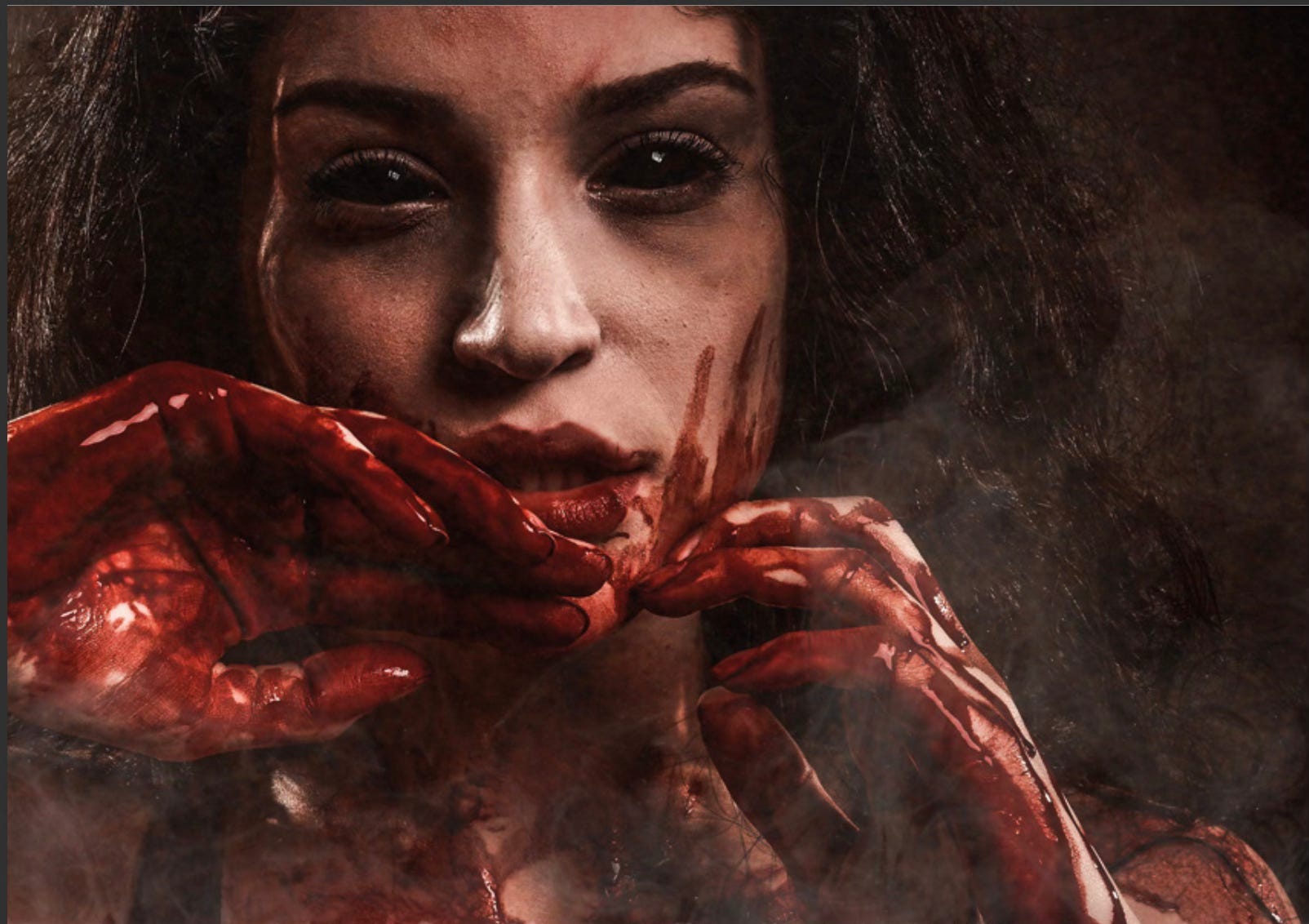
Ah monsters! Here’s all the good stuff GMs turn to first in a horror game. What manner of fiends can you hoist on your poor unsuspecting players? This chapter showcases a selection of physically gruesome and psychologically upsetting specimens. While each one is presented with stats they are, most importantly, given a background, unsettling desires and unique abilities.
We have: The Mystery Man, Ovvashi, Torture Dog, Fat Golem, Bystander, Wasterlander, Skinner, and Cickoo Mother. Each one guaranteed to provide plenty of scenario ideas and your players nightmares. And if you’re in the market for more monsters then I shall be reviewing the Book of Unremitting Horror soon.
**SPOILERS**
Finally we come to several full-length mysteries to confound your players so please stop reading now if you are one.
The Circle is set in your hometown with the PCs participants in a trial of the drug Thaumazine. The twist? Some have taken the real thing and some placebos but they don’t know which. This has profound consequences later on when they visit an isolated farmhouse to encounter the sinister Teller. A missing trialist is the plot hook with clues pointing to the Holmgarth Museum of Natural History. Consequently they interact with Police, attend a funeral, and face possible possession! There’s plenty of snooping around and hacking to be done revealing Thaumazine’s pharmaceutical secrets, and the sinister the Men-in-Black who guard them This all culminates with the PCs running a ghastly gauntlet at an isolated farm.

In Glass Beach Summer a mysterious storm bestows the PCs with psychic powers which they use to discover their town is full of disguised monsters. A cult knows about the phenomena and plans to use it to their advantage. The twist being the PCs are doomed to become monsters themselves.
The Dispatchers is a campaign with PCs regularly tuning-in to a late night radio station. This is presented as a monster-of-the-week format with them investigating and vanquishing supernatural foes. There are plenty of locations to investigate and adventure seeds from the radio show. A great idea.
So we come to the appendices which has a useful character sheet, a scenario worksheet and a comprehensive index. This review is longer but is warranted warranted as this game is a masterclass in horror and even gives Call of Cthulhu a run for its money. Don’t be put off by the narrative approach as it only helps to strengthen the horror elements through storytelling which most of us participated in on camping trips late at night around the embers of a dwindling fire.
My highest recommendation.